

Friends!
Conversations these days about what, exactly, is to be done oscillate between two extremes: on the one hand, escalating political, ecological, and technological crises bear down on us with near-paralyzing urgency; on the other, a growing body of thought reminds us that forms of human being exist beyond the relentless dehumanizing crush of 24/7 capitalism.
Any conclusions appear diametrically opposed. We’ve gotta hurry up and figure our shit out – or, conversely, recognize that it’s precisely this hurry that’s killing us in the first place. Both claims seem true, though it’s not immediately obvious what a meaningful synthesis of the two would look like in practice.
And perhaps this is the point: slowness demands that we sit with contradiction.
In a recent interview on “slow cinema”, our managing editor Czarina Ramos and writer/filmmaker Swetha Regunathan happened upon the notion of a “slow thought.” What exactly is a slow thought? How is it different from a normal thought? What makes this question so puzzling is that thoughts don’t seem to exhibit the quality of speed; it is (as art historian Kathleen Quaintance recently proposed in these pages) our movement between thoughts that introduces tempo and rhythm.
Czarina and Swetha agreed to revisit the question. Let it linger.
In the meantime, today’s edition of the Empty Cup collects meditations on the political valence(s) of slowing down. In Stuff for Study, Vitória shares essays on the perceptual challenges of the end of civilization, a case for “re-politicizing slowness”, and the growing appetite for “slow news.” In Visions of Attention, Eleanor admires planet Earth’s oldest bonsai, the famed Ficus of Crespi. And in From the Trove, David surfaces Shari Tishman’s indispensable Slow Looking: The Art and Practice of Learning Through Observation, and shows some love to the timeless work of Paul Virilio on “dromology” – the study of speed.
If you’d like to slow down among friends, join us at our upcoming seminar on POP FANDOMS and our Attention Labs (detailed below in IRL). Plus, a special heads up to all the teachers in our Educators for Attention coalition: we’ll be discussing slowing down as a pedagogical strategy at our next end-of-month virtual gathering on Wednesday, July 30th!
Unhurriedly yours,
Peter Schmidt
Editor-in-Chief
Stuff for Study: Slowing it down
Readings and other resources for continued learning on attention and politics
Politicizing slowness amidst urgency — green dreamer kaméa for Uprooted
How technology fragmented our sense of time — Rebecca Solnit for London Review of Books
The urgent quest for slower news — Michael Luo for The New Yorker
What if the end of civilization unfolds too slowly to perceive? — Elisa Gabbert for Real Life
A manifesto for living a philosophy of slow thought — Vincenzo Di Nicola for Aeon
- Vitória Oliveira
Visions of Attention
An archive of images and mini-essays on the myriad modes of attention
A Thousand Years of Living Sculpture: the Ficus of Crespi
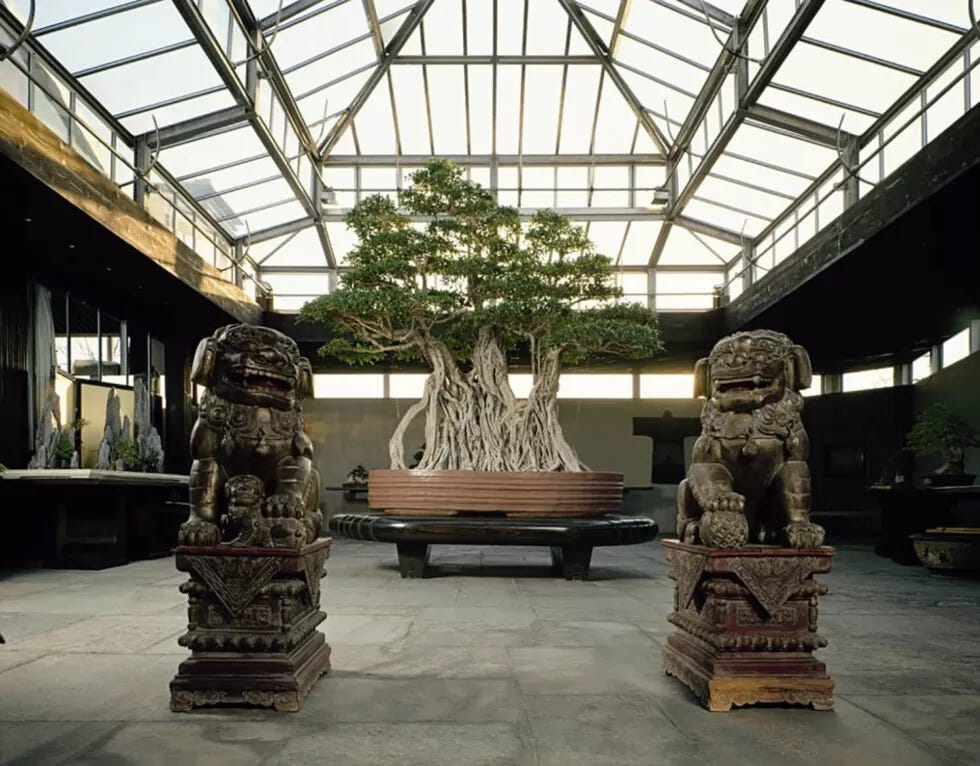
The world’s oldest bonsai tree lives just a few kilometers outside Milan, Italy, in the small town of Parabiago. There, in a stately solarium at the Crespi Bonsai Museum, sits a 1,000-year-old Ficus retusa Linn. The so-called Ficus of Crespi found its home in the world’s first bonsai museum, after nearly a decade of negotiation between Japanese bonsai master Shotaro Kawahara and art merchant/painter Luigi Crespi. It stands, branches elegantly spread, as testament to a level of care and foresight nearly inconceivable for most contemporary visitors.
The art form of bonsai is believed to have originated in 600 AD China before traveling to Japan in the 12th century. The cultivation of a single tree extends through decades, centuries, and in this case, over a millennium, and by necessity passes through countless pairs of skillful hands during its lifespan. Every aspect of bonsai care requires exceptional attention: watering must follow precise schedules, soil composition requires careful management, and environmental conditions such as sunlight, temperature, and humidity demand constant monitoring. Even the most subtle adjustments can dramatically influence a tree's growth over decades.
To behold a being as old as the Ficus of Crespi is to encounter a miracle of forethought: caretakers must consider the tree's immediate needs while also contemplating its form and health far into an unknowable future. This form of living sculpture is a testament to the transcendent capacities of human care and attention – and an invitation to imagine a radically different relationship to the passage of time.
From the Trove
Long-form recommendations from the Friends of Attention’s collaborative Attention Trove archive
The Pedagogy of Slow Looking
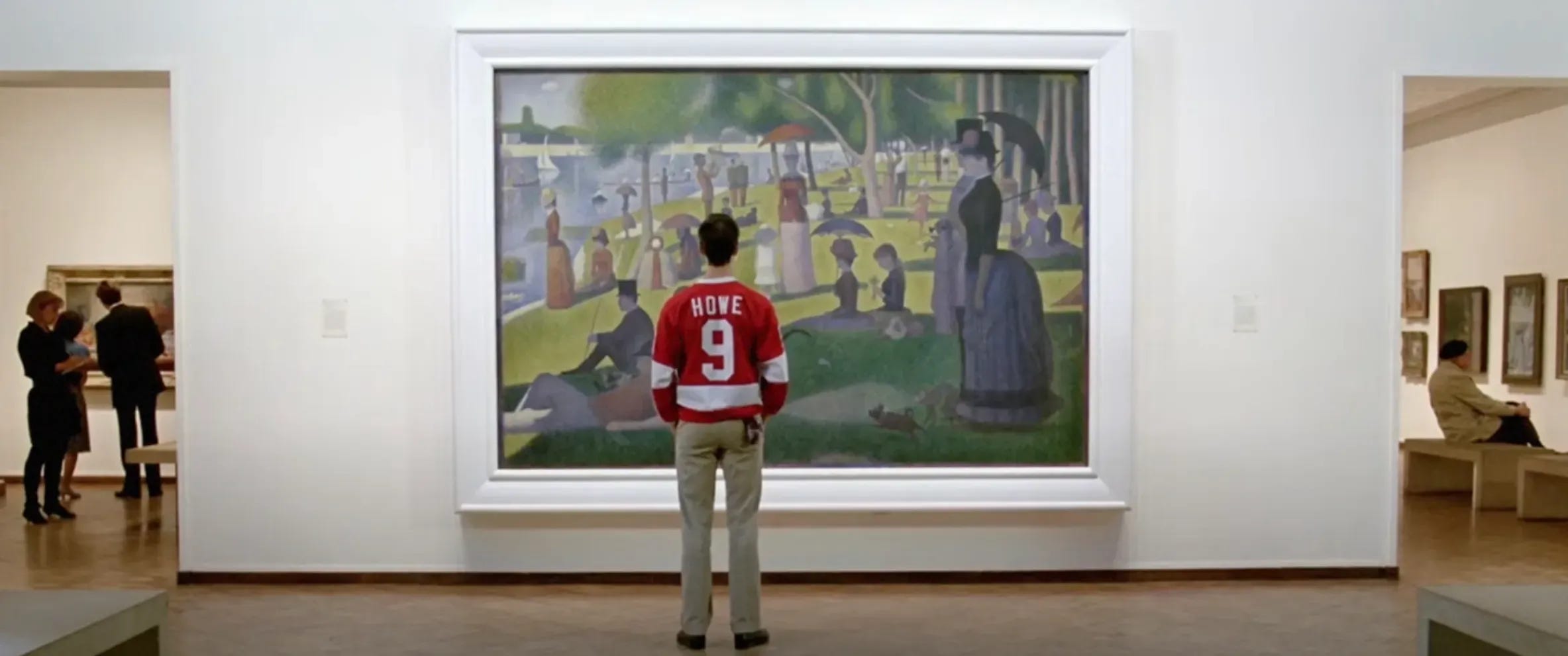
Slow Looking: The Art and Practice of Learning Through Observation, by Shari Tishman, makes the case that slow, spacious, contemplative pedagogies are essential alternatives to the fast pace that narrows learning. Slowness enables otherwise-missed knowledge, agencies, and possibilities. Educators at the Smithsonian Learning Lab explain the pedagogy of slow looking, introduce practices, and give tips for building slow looking activities applicable to any discipline. Harvard's Graduate School of Education blog offers several of Tishman’s sample activities. Readers will notice echoes of Daniel Kahneman’s Thinking, Fast and Slow and Paul Virilio’s philosophy of speed being a primary force shaping civilization.
- David Landes
IRL
Mon, July 14th: POP FANDOMS, our in-person seminar that examines fan culture through an examination of pop culture archetypes across the US and Japan
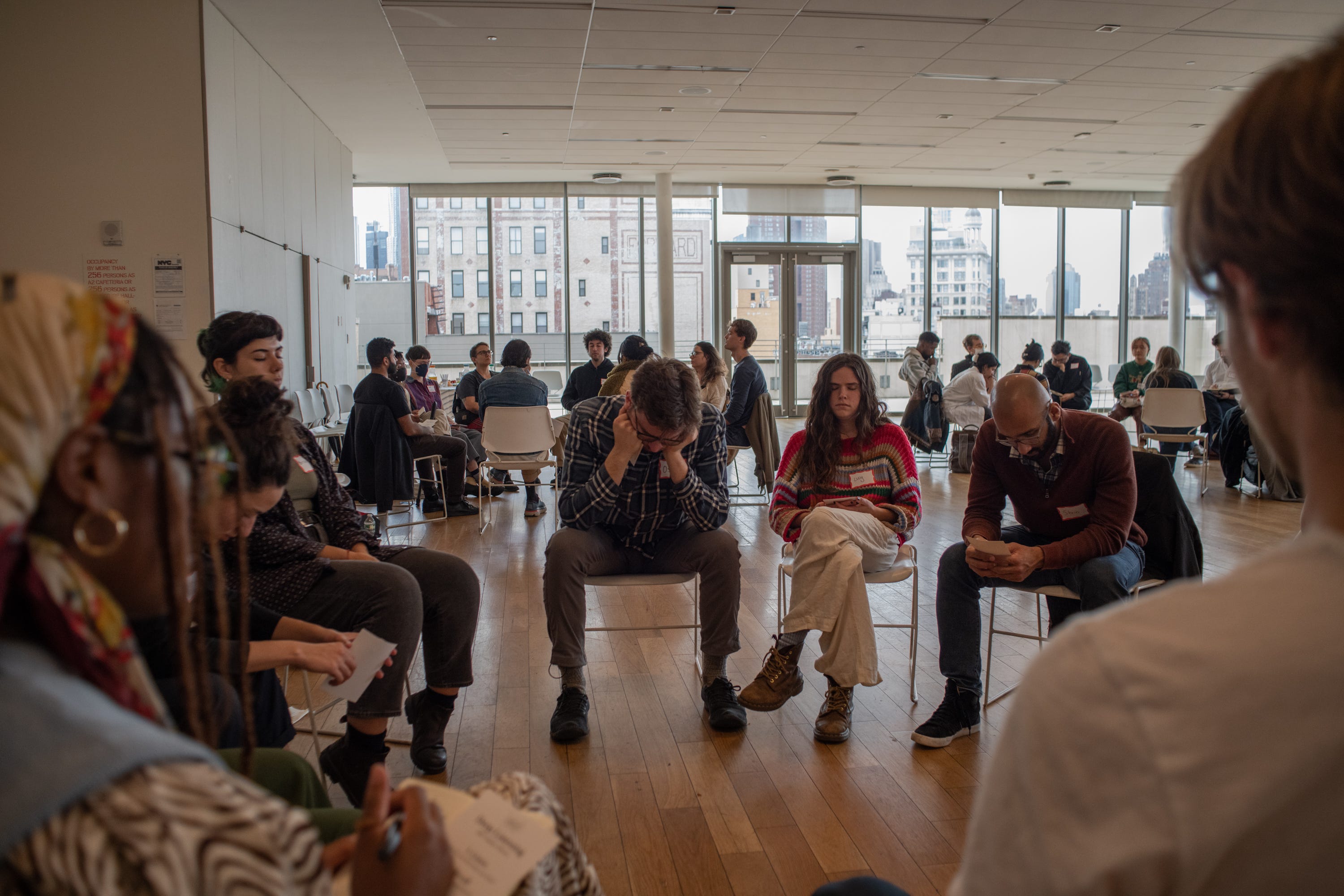
Wed, July 16th: ATTENTION LAB: SANCTUARY, Our Attention Labs introduce participants to the three pillars of Attention Activism: STUDY, SANCTUARY, and COALITION
Wed, July 23rd: CLOWNING, our in-person seminar on the ancient art – and timeless powers – of clowning
Find more workshops, events, and gatherings here!